


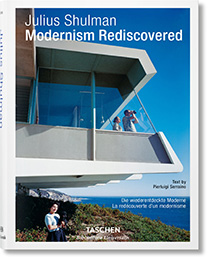


The photographs of Julius Shulman offer one of the most compelling visual chronologies of architectural modernism. This book offers privileged access to Shulman’s extraordinary archives with some 200 images paying homage to the multifarious forms of modernism across California and the rest of the United States.
The buildings burned in our memories, which to us represent the spirit of ’50s and ’60s architectural design, were those whose pictures were widely published in magazines and books; but what about those that got lost in the process, hardly or never appearing in publication?
The exchange of visual information is crucial to the development, evolution, and promotion of architectural movements. If a building is not widely seen, its photograph rarely or never published, it simply does not enter into architectural discourse. Many buildings photographed by Julius Shulman suffered this fate, their images falling into oblivion. With this book, TASCHEN brings them to light, paying homage to California Modernism in all its forms.
The abandoned files of Julius Shulman show us another side of Modernism that has stayed quiet for so many years. Bringing together nearly 200 forgotten masterpieces, Modernism Rediscovered pays tribute to these lesser known yet outstanding contributions to the modern architectural movement. It’s like sneaking into a private history, into homes that have rarely been seen and hardly appreciated as of yet.
『Taschen Compact』 시리즈의 특징
합리적인 가격으로 다방면의 주제를 아우르는 문화적 동반자인 TASCHEN Compact 시리즈!
1980년 문화 고고학자들과 함께 작업하기 시작한 이래로, TASCHEN 브랜드는 접근 가능한, 열린 시각의 출판을 지향하고 있다. Bibliotheca Universalis 시리즈는 약 100가지의 이 시대 가장 사랑받는 타이틀로 깔끔한 판형을 갖추고 있어 미술, 인류학과 성에 관련한 당신만의 소중한 서재를 만들 수 있다.
결코 지루하지 않으며 언제나 즐거운, 독서를 좋아하는 이들에게 기쁨이 될 것이다!
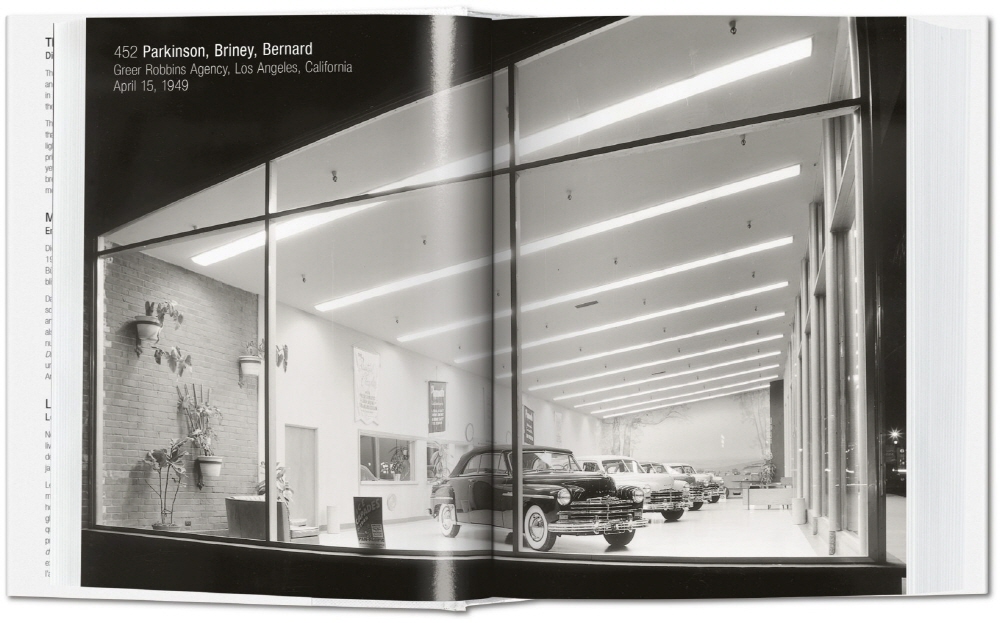
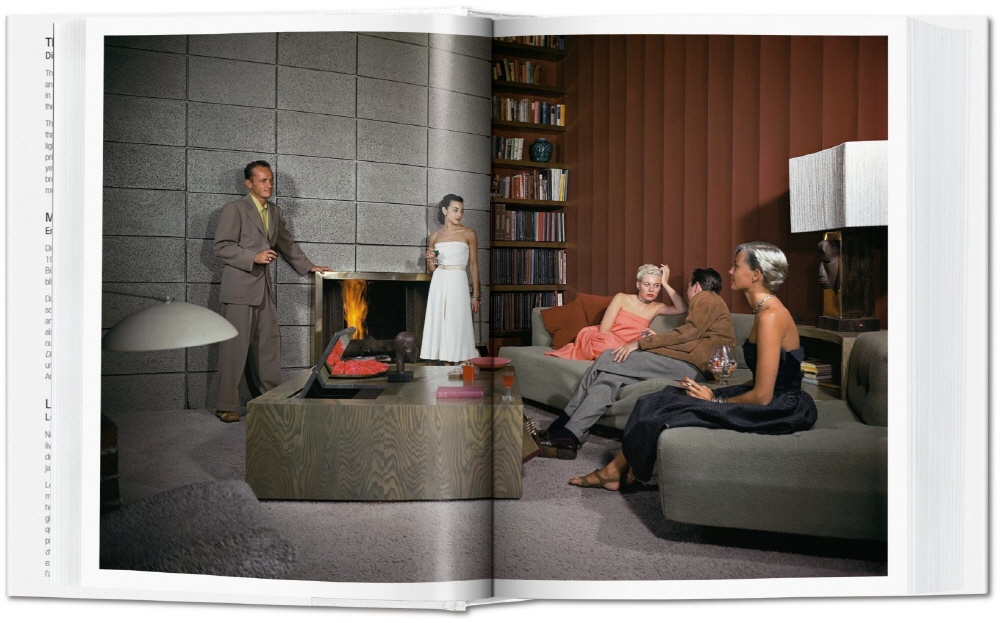
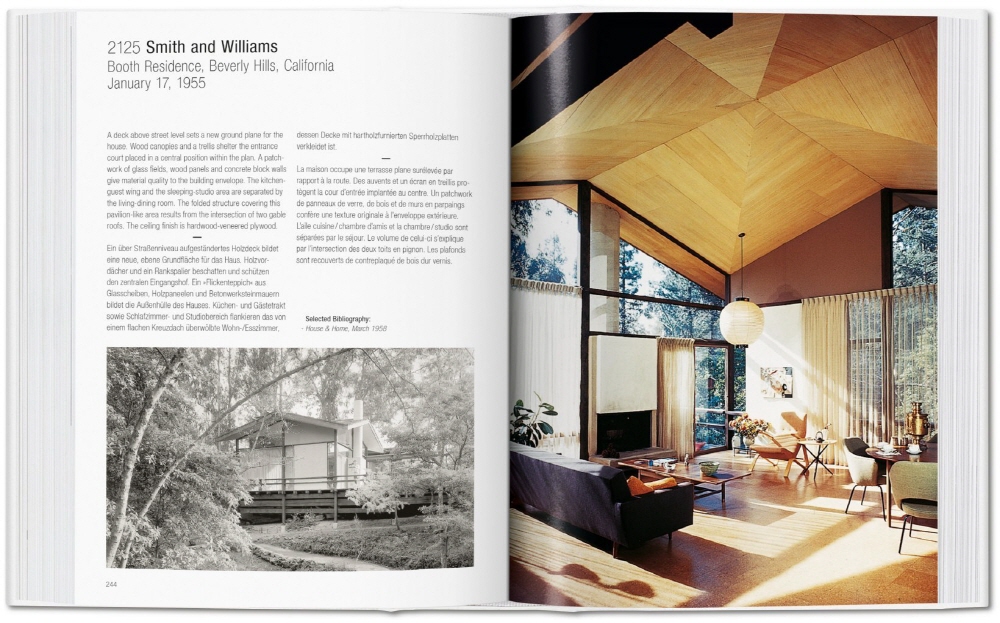
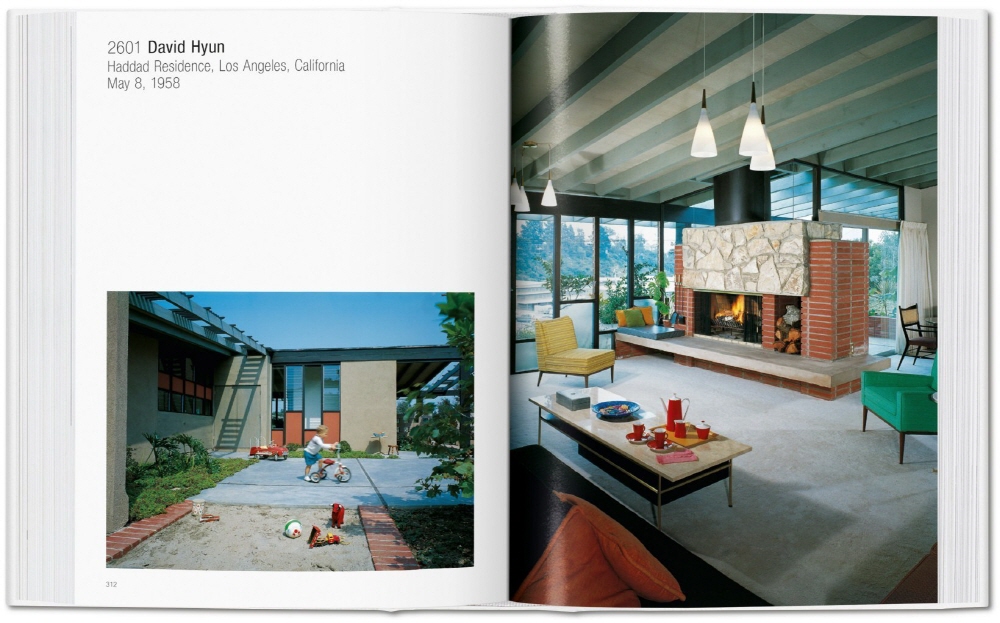
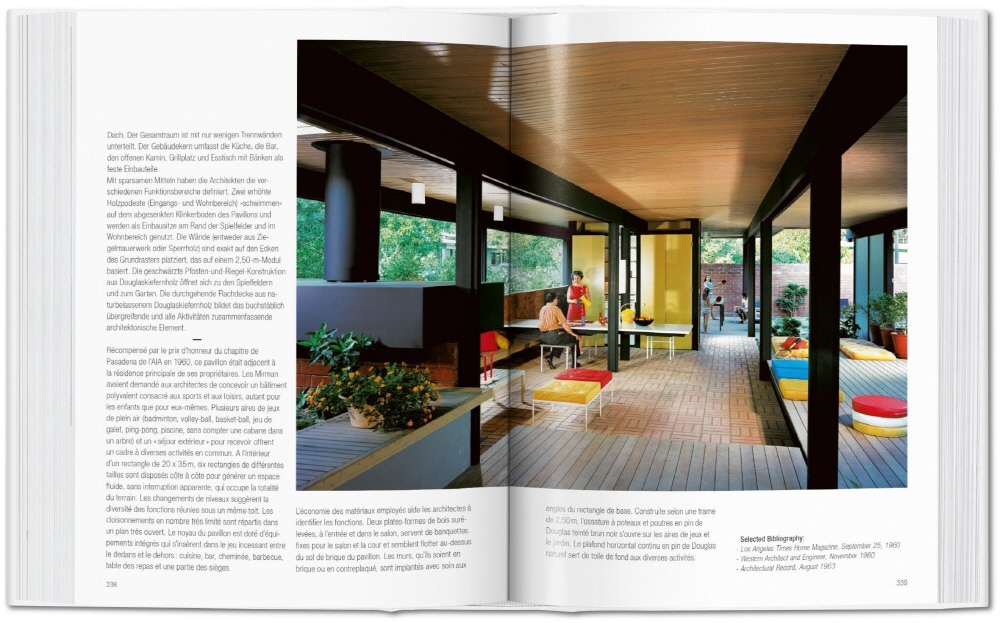
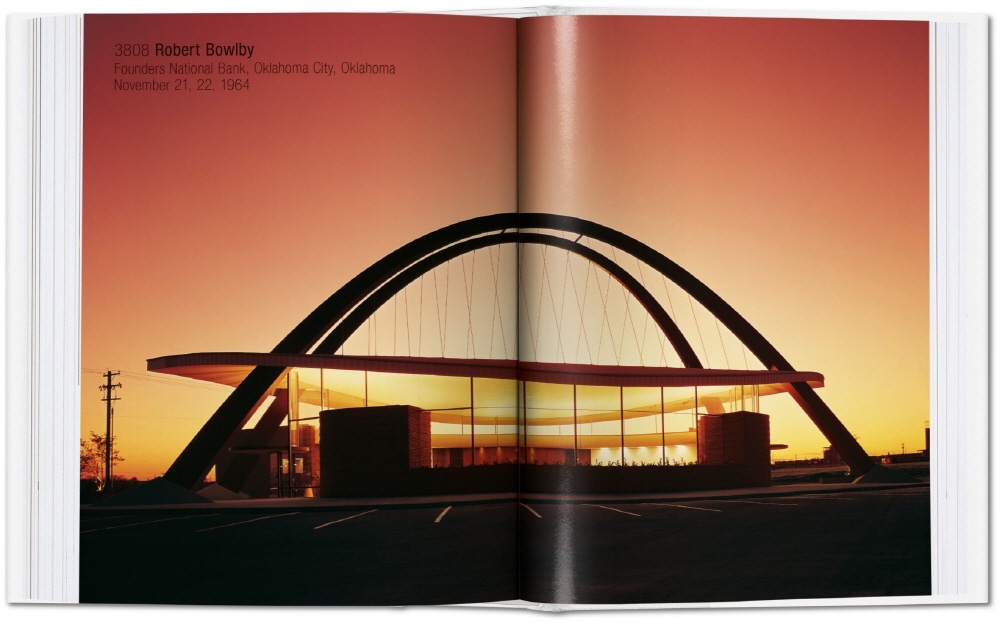
The buildings burned in our memories, which to us represent the spirit of ’50s and ’60s architectural design, were those whose pictures were widely published in magazines and books; but what about those that got lost in the process, hardly or never appearing in publication?
The exchange of visual information is crucial to the development, evolution, and promotion of architectural movements. If a building is not widely seen, its photograph rarely or never published, it simply does not enter into architectural discourse. Many buildings photographed by Julius Shulman suffered this fate, their images falling into oblivion. With this book, TASCHEN brings them to light, paying homage to California Modernism in all its forms.
The abandoned files of Julius Shulman show us another side of Modernism that has stayed quiet for so many years. Bringing together nearly 200 forgotten masterpieces, Modernism Rediscovered pays tribute to these lesser known yet outstanding contributions to the modern architectural movement. It’s like sneaking into a private history, into homes that have rarely been seen and hardly appreciated as of yet.
『Taschen Compact』 시리즈의 특징
합리적인 가격으로 다방면의 주제를 아우르는 문화적 동반자인 TASCHEN Compact 시리즈!
1980년 문화 고고학자들과 함께 작업하기 시작한 이래로, TASCHEN 브랜드는 접근 가능한, 열린 시각의 출판을 지향하고 있다. Bibliotheca Universalis 시리즈는 약 100가지의 이 시대 가장 사랑받는 타이틀로 깔끔한 판형을 갖추고 있어 미술, 인류학과 성에 관련한 당신만의 소중한 서재를 만들 수 있다.
결코 지루하지 않으며 언제나 즐거운, 독서를 좋아하는 이들에게 기쁨이 될 것이다!
The photographer
American photographer Julius Shulman’s images of Californian architecture have burned themselves into the retina of the 20th century. A book on modern architecture without Shulman is inconceivable. Some of his architectural photographs, like the iconic shots of Frank Lloyd Wright’s or Pierre Koenig’s remarkable structures, have been published countless times. The brilliance of buildings like those by Charles Eames, as well as those of his close friend, Richard Neutra, was first brought to light by Shulman’s photography. The clarity of his work demanded that architectural photography had to be considered as an independent art form. Each Shulman image unites perception and understanding for the buildings and their place in the landscape. The precise compositions reveal not just the architectural ideas behind a building’s surface, but also the visions and hopes of an entire age. A sense of humanity is always present in his work, even when the human figure is absent from the actual photographs. Today, a great many of the buildings documented by Shulman have disappeared or been crudely converted, but the thirst for his pioneering images is stronger than ever before.
The author
Pierluigi Serraino is a practicing architect resident in the San Francisco Bay Area. The author of many books on architecture, including TASCHEN's Modernism Rediscovered, his articles and projects have appeared in Architectural Design, ArCA, Global Architecture, Hunch, Construire, Architettura, ACADIA, and Journal of Architectural Education.


