


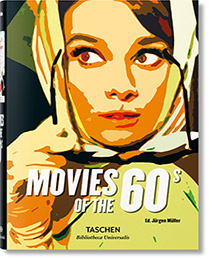


In true Pop Art style, movies of the 1960s blurred the lines between art, mass market, and pop culture into one vibrant cinematic decade. From Barbarella to Mrs. Robinson, James Bond to Jean-Luc Godard, this book gathers the must-see films of a transformational era, shaped by art form innovation, Spaghetti Westerns, sci-fi star turns, and important progress in female characterization.
Positioned precariously between the uptight ’50s and the freewheeling ’70s, the 1960s marked a transitional decade in the film industry. As art, mass market, and pop culture merged and collided in true pop art style, cinema swirled with psychedelic energy. This handbook gathers the best films of the era, exploring the making and the mastery of such cinematic star turns as The Leopard, The Birds, Belle de Jour, A Fistful of Dollars, and Doctor Zhivago.
With audiences ever more glued to their TV sets and the loosened rules about what was “permissible” in cinema with the abolition of the Production Code, filmmakers embraced the freedom to explore the possibilities of film as an art form. As was often the case, the Europeans led the way, the French with Nouvelle Vague directors like Godard and Truffaut, and the Italians with such innovative films as Fellini’s 8 1/2 and Antonioni’s Eclipse.
By the mid-’60s the United States also began to exercise greater creative liberties, especially in films from young underground directors such as Russ Meyer, John Frankenheimer, and Sam Peckinpah. Meanwhile, Mary Poppins and The Sound of Music ushered out the grandiose Hollywood musical era with a bang while the Spaghetti Western became an instant phenomenon. Bond, James Bond, first appeared on-screen and Kubrick set new standards for sci-fi with 2001: A Space Odyssey.
Though the term “feminism” may not have been ready for prime time, the decade was also one of major advances in female characterization. From Jane Fonda’s Barbarella to Holly Golightly of Breakfast at Tiffany’s to Bonnie Parker of Bonnie and Clyde, it was the 1960s that saw women on-screen graduate from decorative accessories to complex, kick-ass personas.
『Taschen Compact』 시리즈의 특징
합리적인 가격으로 다방면의 주제를 아우르는 문화적 동반자인 TASCHEN Compact 시리즈!
1980년 문화 고고학자들과 함께 작업하기 시작한 이래로, TASCHEN 브랜드는 접근 가능한, 열린 시각의 출판을 지향하고 있다. Bibliotheca Universalis 시리즈는 약 100가지의 이 시대 가장 사랑받는 타이틀로 깔끔한 판형을 갖추고 있어 미술, 인류학과 성에 관련한 당신만의 소중한 서재를 만들 수 있다.
결코 지루하지 않으며 언제나 즐거운, 독서를 좋아하는 이들에게 기쁨이 될 것이다!
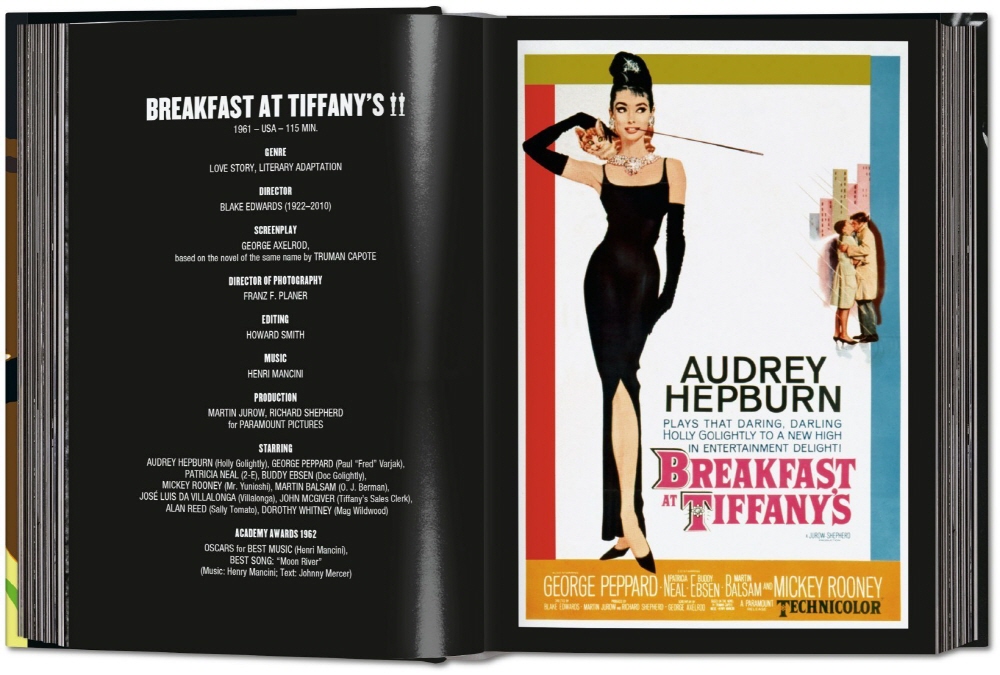
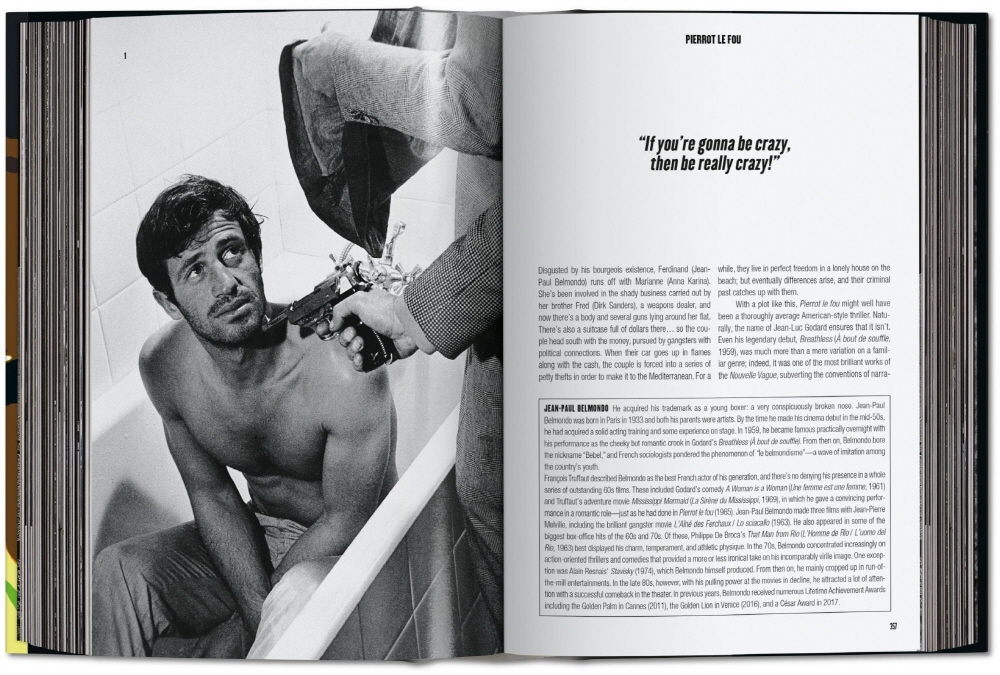
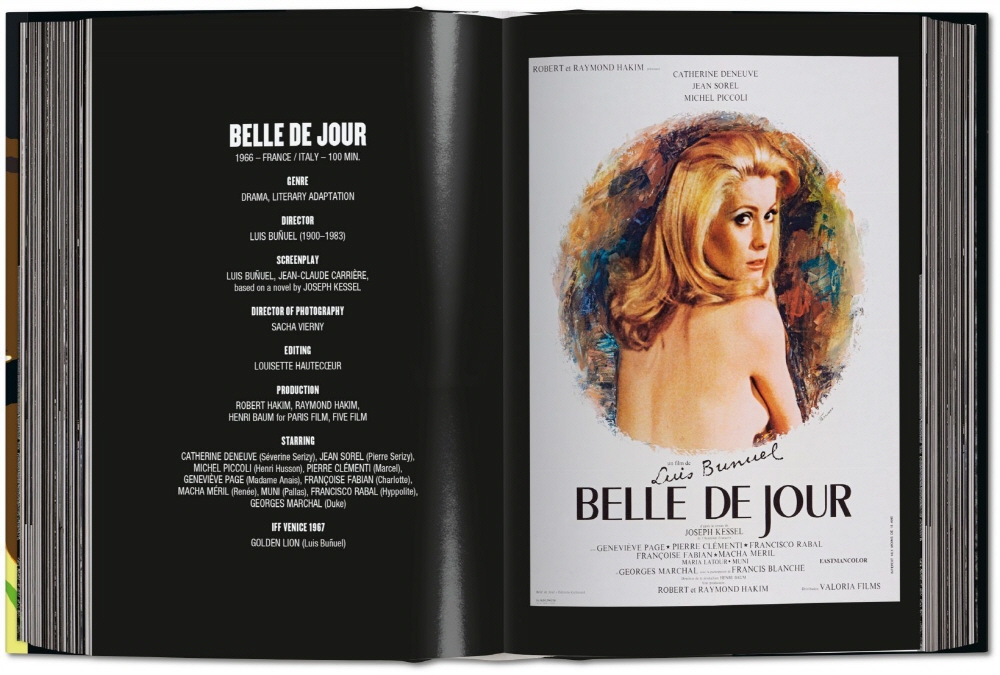
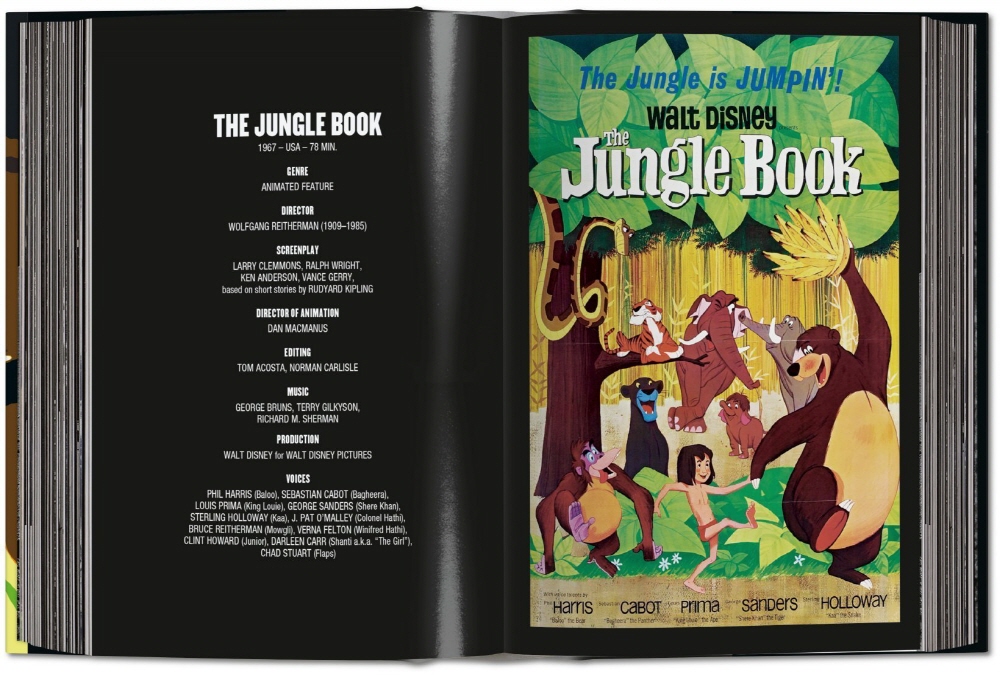
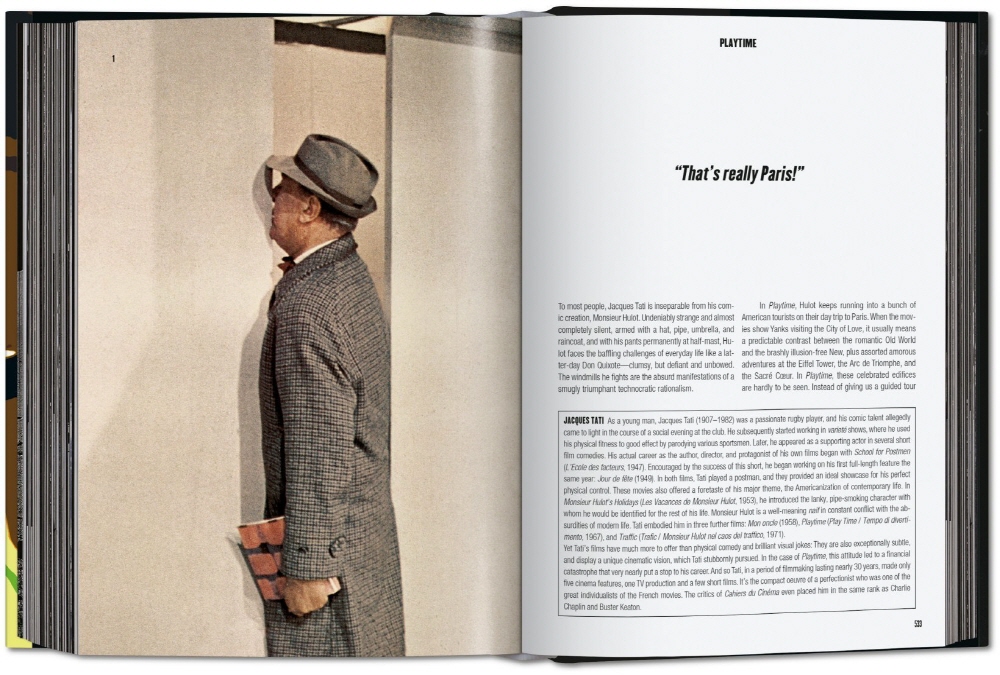
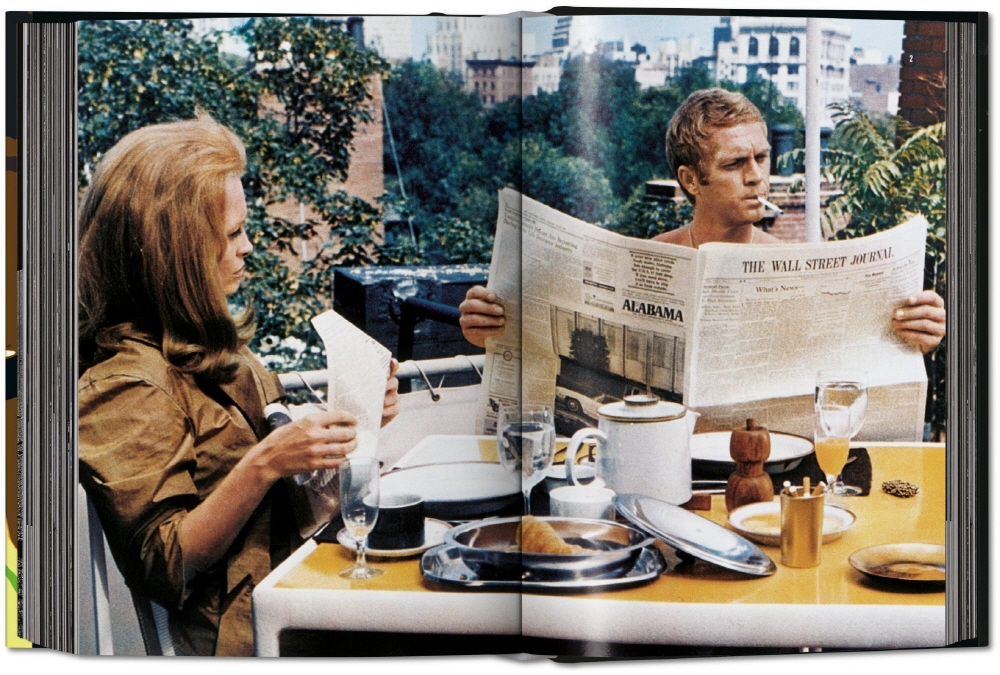
Positioned precariously between the uptight ’50s and the freewheeling ’70s, the 1960s marked a transitional decade in the film industry. As art, mass market, and pop culture merged and collided in true pop art style, cinema swirled with psychedelic energy. This handbook gathers the best films of the era, exploring the making and the mastery of such cinematic star turns as The Leopard, The Birds, Belle de Jour, A Fistful of Dollars, and Doctor Zhivago.
With audiences ever more glued to their TV sets and the loosened rules about what was “permissible” in cinema with the abolition of the Production Code, filmmakers embraced the freedom to explore the possibilities of film as an art form. As was often the case, the Europeans led the way, the French with Nouvelle Vague directors like Godard and Truffaut, and the Italians with such innovative films as Fellini’s 8 1/2 and Antonioni’s Eclipse.
By the mid-’60s the United States also began to exercise greater creative liberties, especially in films from young underground directors such as Russ Meyer, John Frankenheimer, and Sam Peckinpah. Meanwhile, Mary Poppins and The Sound of Music ushered out the grandiose Hollywood musical era with a bang while the Spaghetti Western became an instant phenomenon. Bond, James Bond, first appeared on-screen and Kubrick set new standards for sci-fi with 2001: A Space Odyssey.
Though the term “feminism” may not have been ready for prime time, the decade was also one of major advances in female characterization. From Jane Fonda’s Barbarella to Holly Golightly of Breakfast at Tiffany’s to Bonnie Parker of Bonnie and Clyde, it was the 1960s that saw women on-screen graduate from decorative accessories to complex, kick-ass personas.
『Taschen Compact』 시리즈의 특징
합리적인 가격으로 다방면의 주제를 아우르는 문화적 동반자인 TASCHEN Compact 시리즈!
1980년 문화 고고학자들과 함께 작업하기 시작한 이래로, TASCHEN 브랜드는 접근 가능한, 열린 시각의 출판을 지향하고 있다. Bibliotheca Universalis 시리즈는 약 100가지의 이 시대 가장 사랑받는 타이틀로 깔끔한 판형을 갖추고 있어 미술, 인류학과 성에 관련한 당신만의 소중한 서재를 만들 수 있다.
결코 지루하지 않으며 언제나 즐거운, 독서를 좋아하는 이들에게 기쁨이 될 것이다!
The editor
Jürgen Müller holds the chair of Early Modern and Modern Art History at the Technical University of Dresden. He studied art history at the universities of Bochum, Münster, Pisa, Paris and Amsterdam, and has worked as an art critic and curated numerous exhibitions. He is also the editor of TASCHEN’s movies by decade series.
Jürgen Müller holds the chair of Early Modern and Modern Art History at the Technical University of Dresden. He studied art history at the universities of Bochum, Münster, Pisa, Paris and Amsterdam, and has worked as an art critic and curated numerous exhibitions. He is also the editor of TASCHEN’s movies by decade series.


