


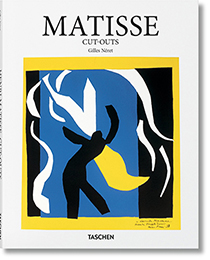


Painting with Scissors
How Matisse bowed out in a riot of colorful shapes and patterns
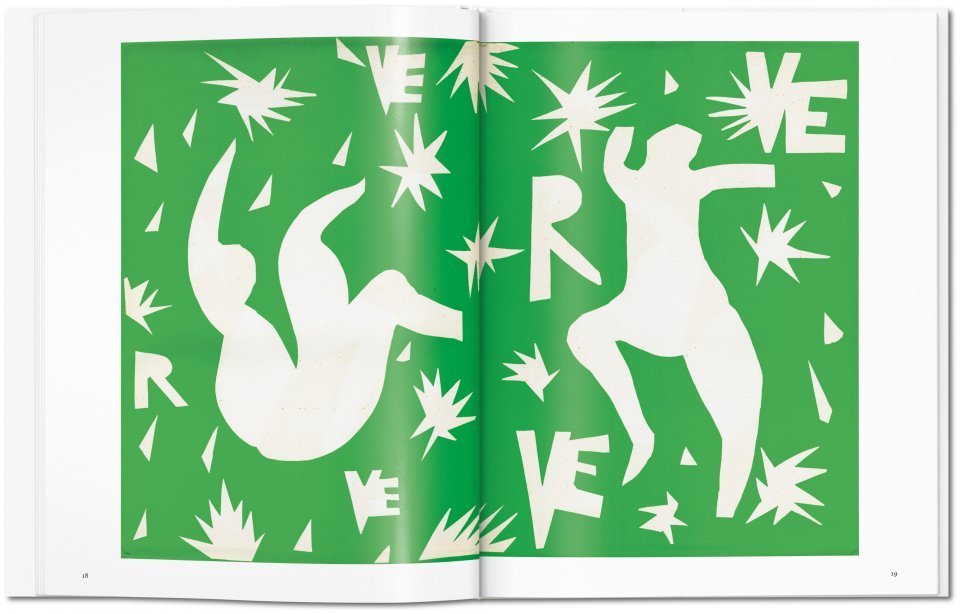
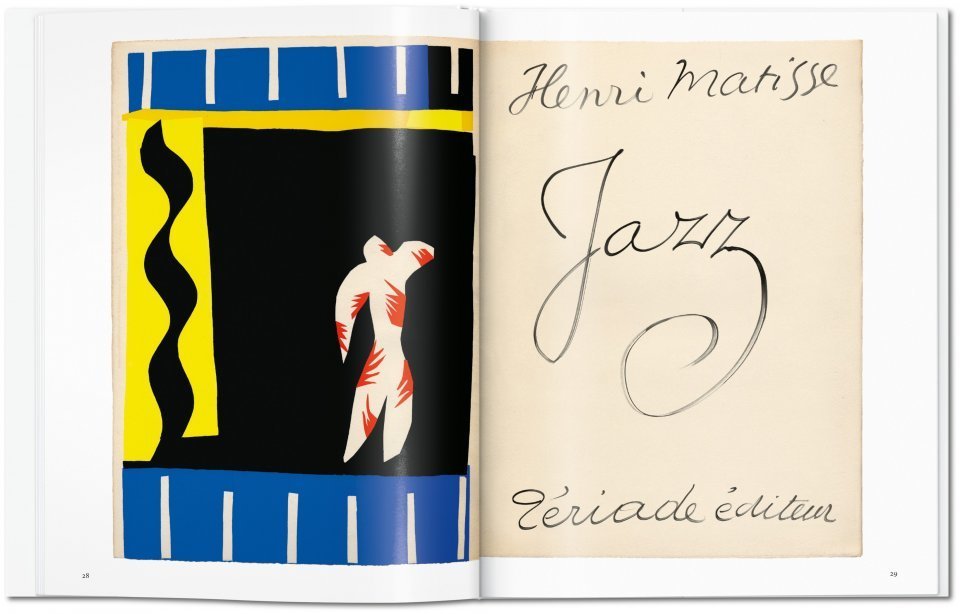
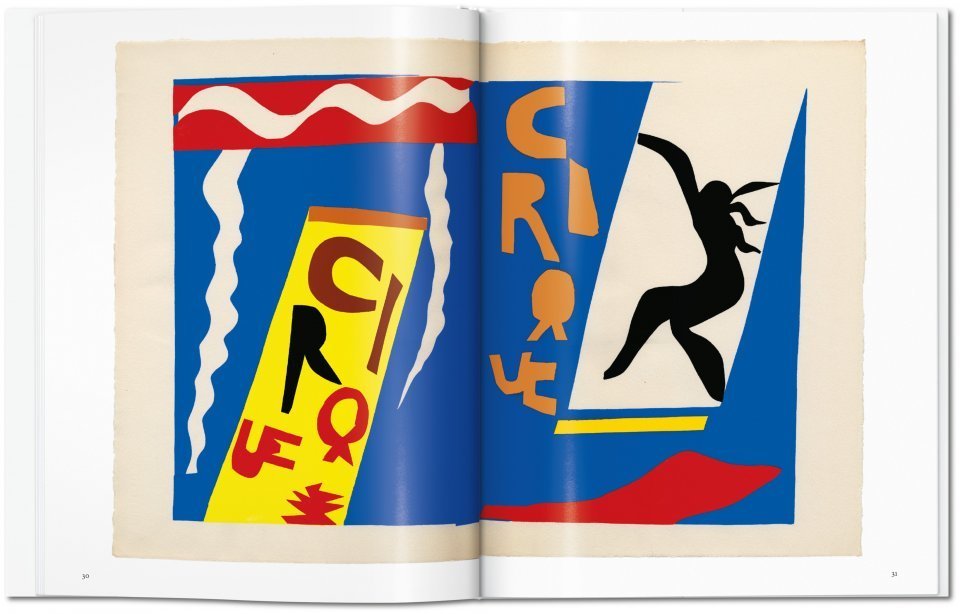
Henri Matisse (1869–1954) was a fighting spirit. Despite a cancer diagnosis in 1941, increasing frailty, and the confines of a wheelchair, the indomitable Frenchman never stopped in his quest to make art. With what he called une seconde vie, a second life, he embarked on a remarkable collage period, cutting and pasting pieces of colored paper into gouaches découpées of birds, plants, flowers, and the female form.
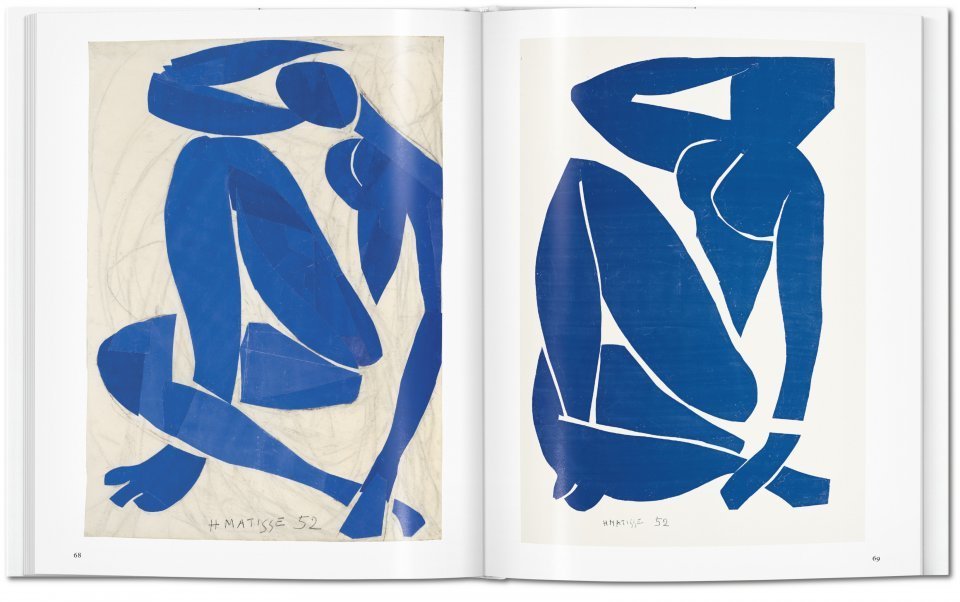
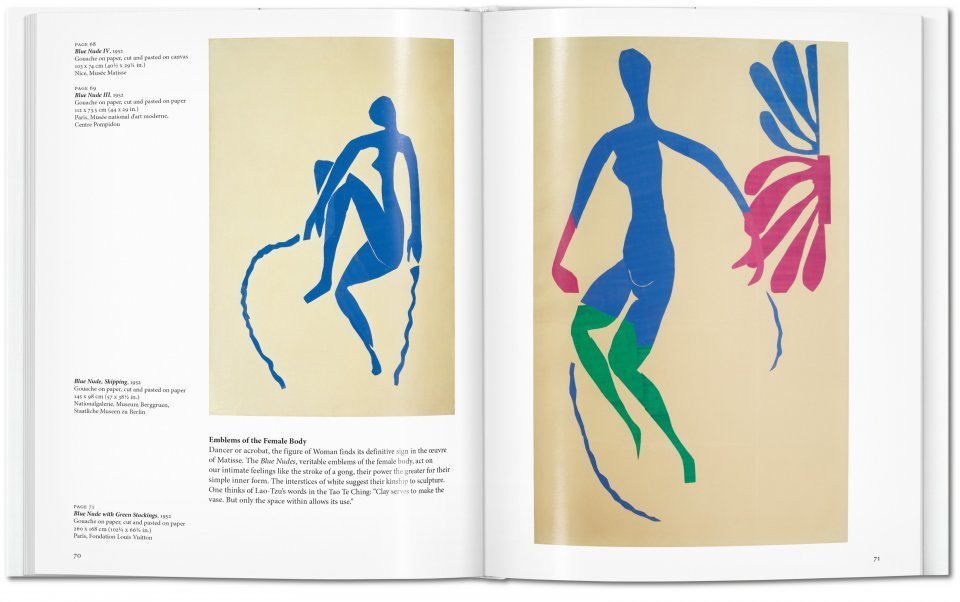
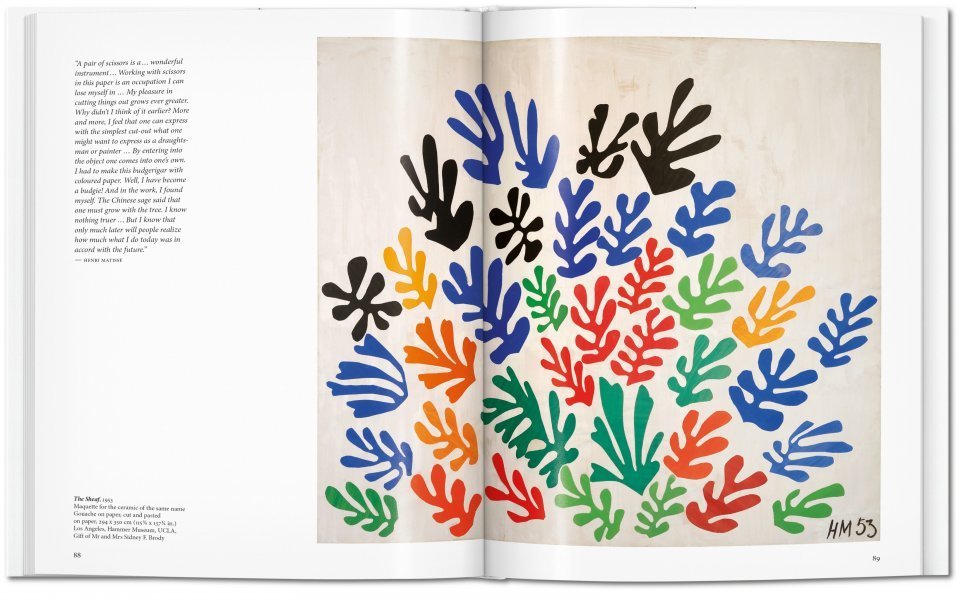
Emphasizing color and contrast, the cut-out technique generated both striking lines and vivid juxtapositions. In works such as Icarus (1943), The Blue Nude (1952), The Snail (1953), and The Sheaf (1953), clean forms and elemental structures power a compositional force that belies the work’s decorative appeal, at once tightly organized and infectious with joie de vivre. As his work progressed, Matisse’s excitement with his results fueled ever-larger pieces, advancing from small works to vast wall-sized murals.
As his final years approached, Matisse reveled in the simplicity and brilliance of these pieces, avowing, “Only what I created after the illness constitutes my real self: free, liberated…” In this essential introductory book, we revisit this joyful final chapter of Matisse’s long and prodigious career, examining how the cut-outs encapsulated the artist’s many years exploring the possibilities of composition, form, and color.
Basic Art 시리즈의 특징
문화적·역사적 중요성을 아우르는 작가의 삶과 작품에 관한 상세한 연대기별 요약서
간결한 일대기 소개
설명이 첨부된 100점의 컬러 도판
How Matisse bowed out in a riot of colorful shapes and patterns
Henri Matisse (1869–1954) was a fighting spirit. Despite a cancer diagnosis in 1941, increasing frailty, and the confines of a wheelchair, the indomitable Frenchman never stopped in his quest to make art. With what he called une seconde vie, a second life, he embarked on a remarkable collage period, cutting and pasting pieces of colored paper into gouaches découpées of birds, plants, flowers, and the female form.
Emphasizing color and contrast, the cut-out technique generated both striking lines and vivid juxtapositions. In works such as Icarus (1943), The Blue Nude (1952), The Snail (1953), and The Sheaf (1953), clean forms and elemental structures power a compositional force that belies the work’s decorative appeal, at once tightly organized and infectious with joie de vivre. As his work progressed, Matisse’s excitement with his results fueled ever-larger pieces, advancing from small works to vast wall-sized murals.
As his final years approached, Matisse reveled in the simplicity and brilliance of these pieces, avowing, “Only what I created after the illness constitutes my real self: free, liberated…” In this essential introductory book, we revisit this joyful final chapter of Matisse’s long and prodigious career, examining how the cut-outs encapsulated the artist’s many years exploring the possibilities of composition, form, and color.
Basic Art 시리즈의 특징
The authors:
Gilles Néret (1933–2005) 2005년 작고했으며, 미술사학자,, 작가, 저널리스트로 활동했다. 일본에서 여러 차례 대형 회고전을 조직했으며, 도쿄에 세이부 미술관과 빌덴슈타인 미술관을 설립했다. 파리의 미술잡지인 ‘뢰유(L’Oeil)’와 ‘코네상스 데자르(Connaissance des Arts)’의 책임자로 일했으며, 1981년 엘리 포르 상을 수상했다. 타셴에서 출판한 모네와 벨라스케스의 카탈로그 레조네를 편집했으며, [달리, 회화], [구스타프 클림트], [앙리 마티스], [루벤스]등 여러 저서가 있다.
Gilles Néret (1933–2005) 2005년 작고했으며, 미술사학자,, 작가, 저널리스트로 활동했다. 일본에서 여러 차례 대형 회고전을 조직했으며, 도쿄에 세이부 미술관과 빌덴슈타인 미술관을 설립했다. 파리의 미술잡지인 ‘뢰유(L’Oeil)’와 ‘코네상스 데자르(Connaissance des Arts)’의 책임자로 일했으며, 1981년 엘리 포르 상을 수상했다. 타셴에서 출판한 모네와 벨라스케스의 카탈로그 레조네를 편집했으며, [달리, 회화], [구스타프 클림트], [앙리 마티스], [루벤스]등 여러 저서가 있다.


